
Why RadiantNox
Heat in a Texas building comes from the roof first, so we start there
On a summer afternoon a roof can run far hotter than the air around it, and that heat moves down into the attic, the garage or the shop by three routes: radiation, conduction and moving air. Each product we install tackles one of those routes. The mistake we see most is a product that is right for one route being sold as the fix for all of them.
RadiantNox is a Kexova brand for radiant barrier and reflective insulation. We look at the building first and recommend only what fits it.
The technology
How reflective insulation is made
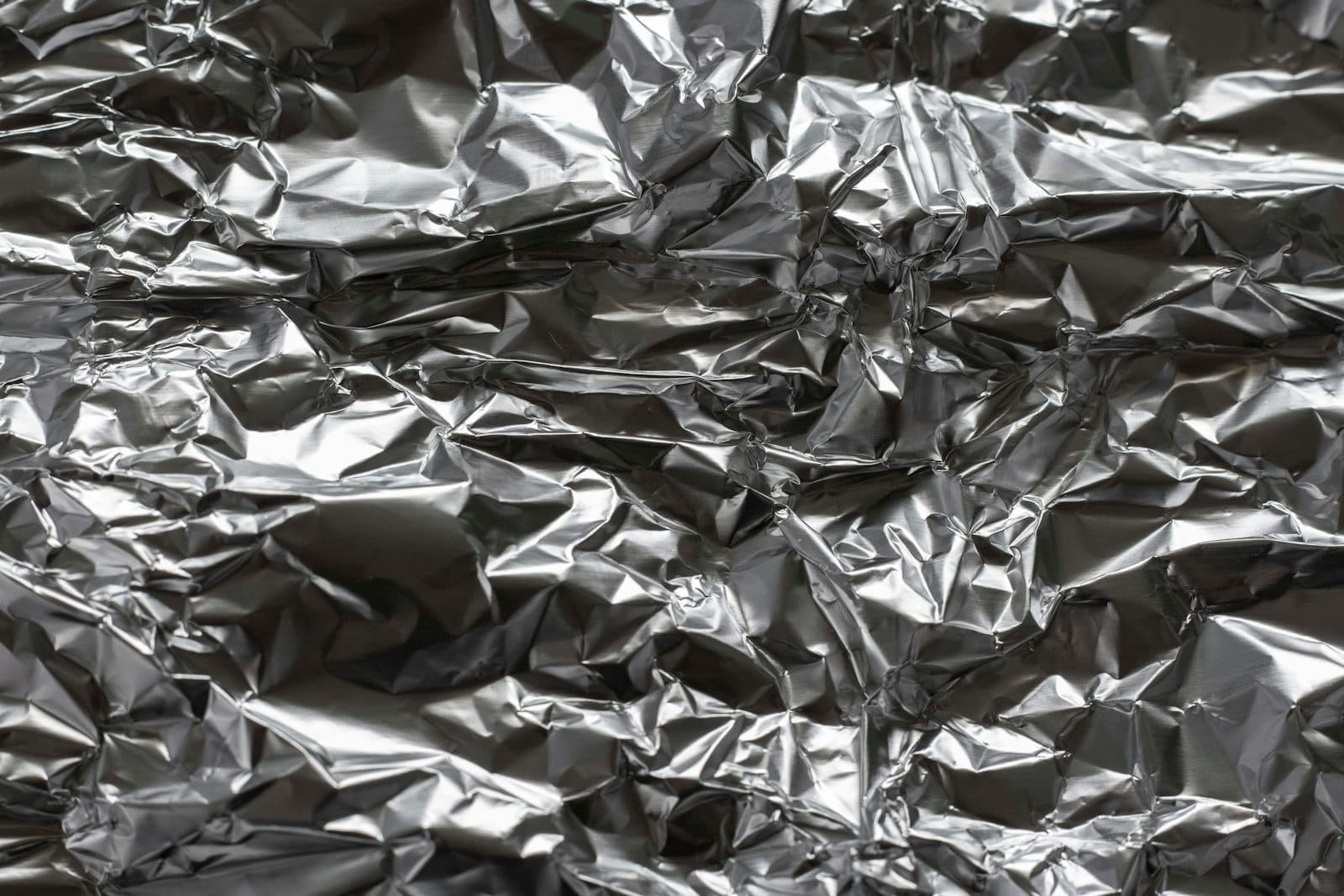
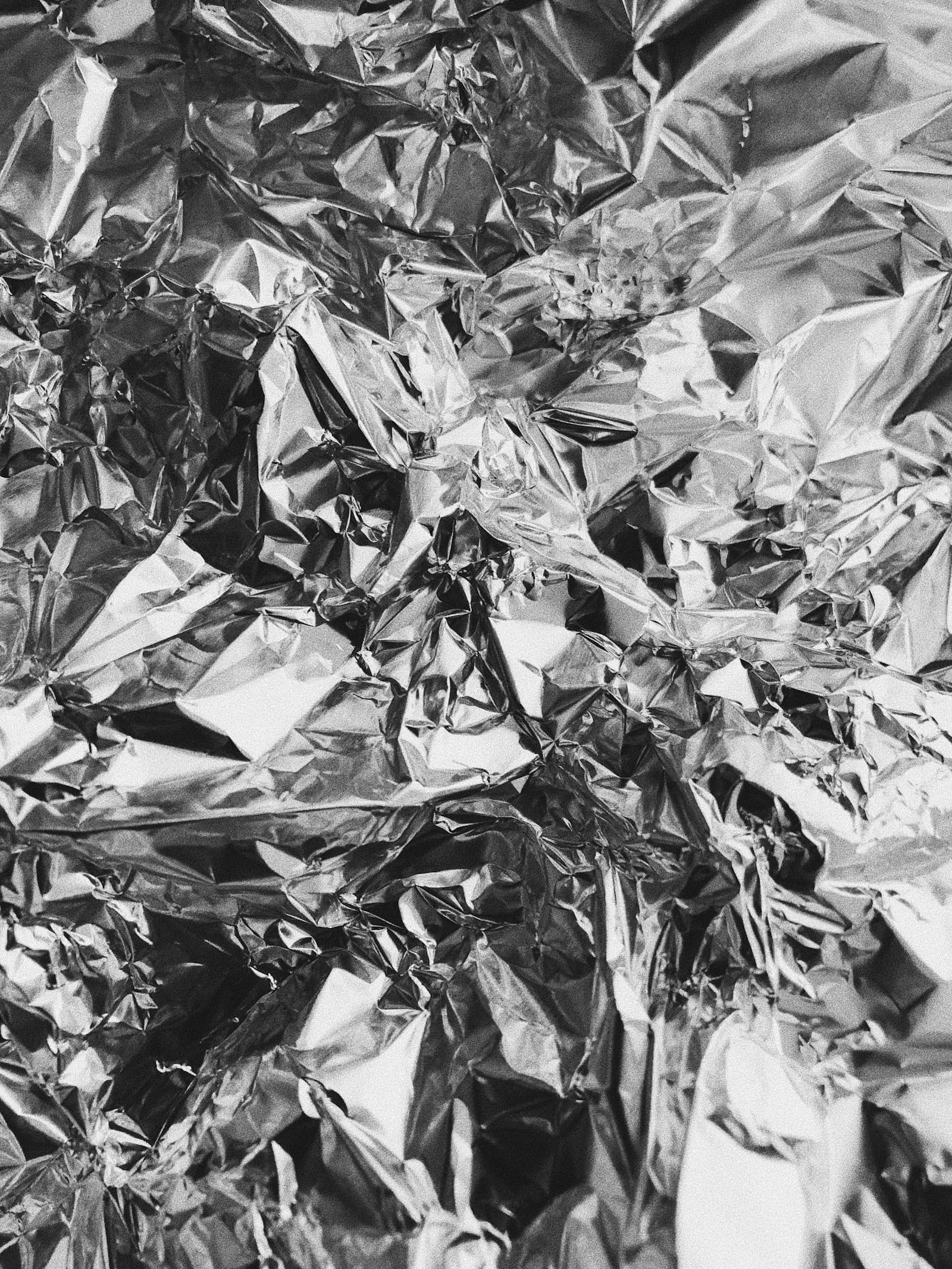
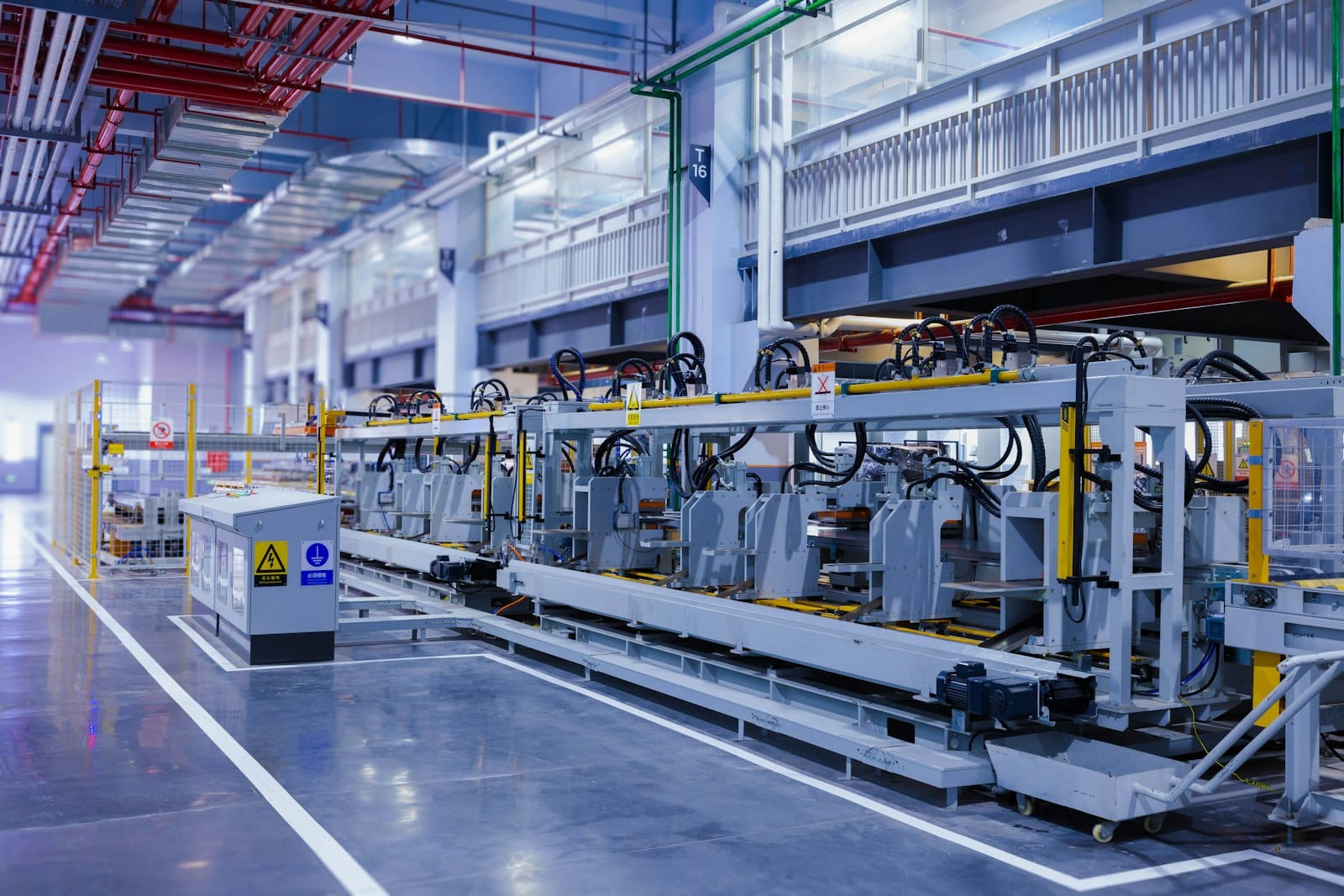
Reflective insulation and radiant barriers are made on continuous roll-to-roll lines. A thin layer of aluminium, either as foil or as a metallised film, is bonded to a backing such as woven polyethylene, a polyethylene film or a bubble core. The aluminium face is what reflects radiant heat; the backing gives strength and, in bubble products, trapped air.
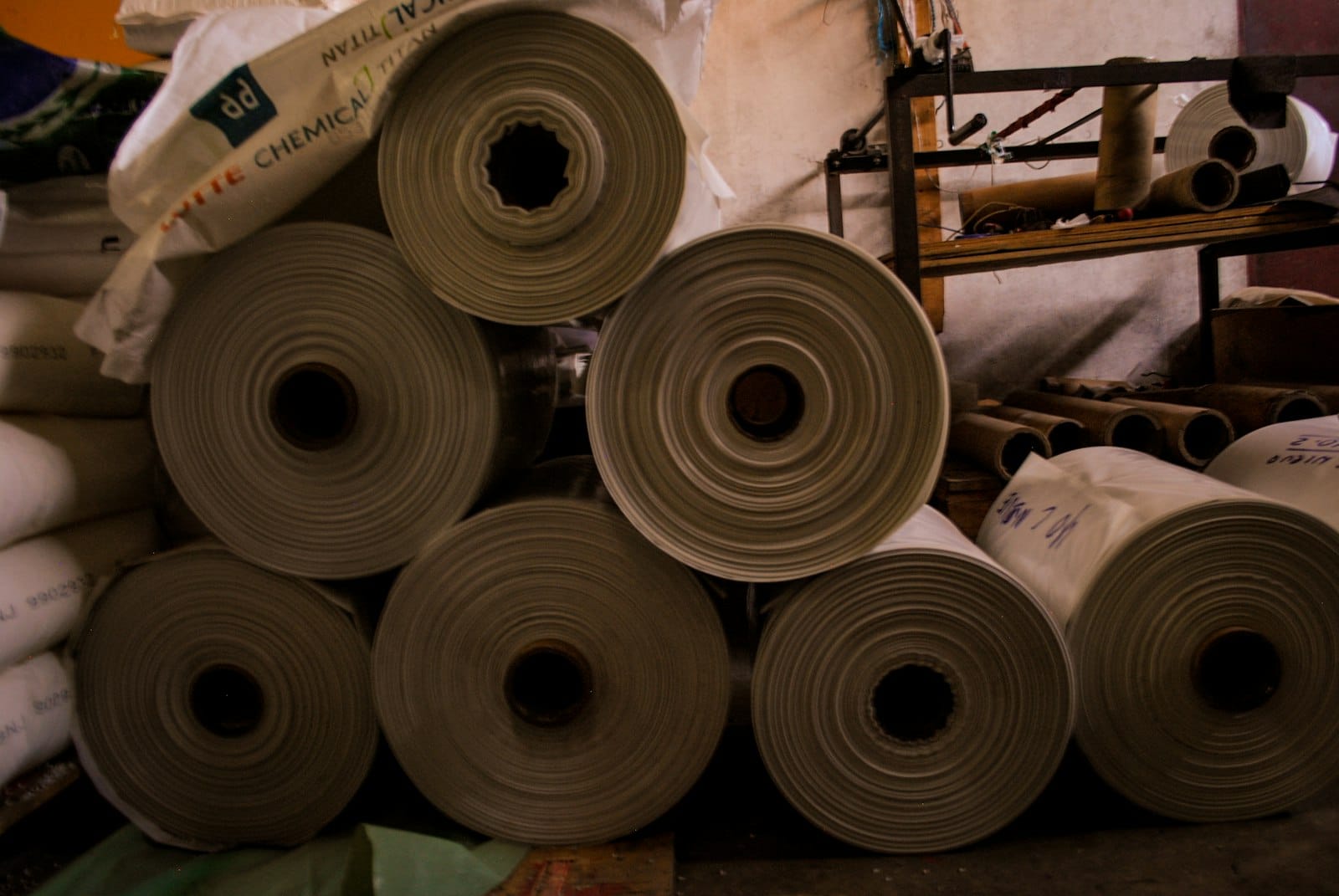
Lamination is the key step. Layers are bonded under controlled heat and pressure so the foil stays flat and does not peel, and the finished sheet is wound on large rolls, slit to width and checked before it ships.
Reflective products work against radiant heat, the heat that travels as infrared from a hot roof or wall across an air space. They need that air space in front of the reflective face to work, and they are one layer in a system that can also include bulk insulation.
That is why a flat foil face looks simple but is made with care: pinholes, weak bonds and uneven coating reduce performance, so good makers inspect the product across the full width of the roll.
- Aluminium reflects radiant heat
- Needs an air space in front to work
- Foil or metallised film on a backing
- Bonded so the face stays flat
- Material runs continuously through the line
- Coating, laminating and winding in sequence

- Layers bonded under controlled pressure
- Checked for coverage and flat finish
- Wound, labelled and cut to width
- Cut to size for the job on site
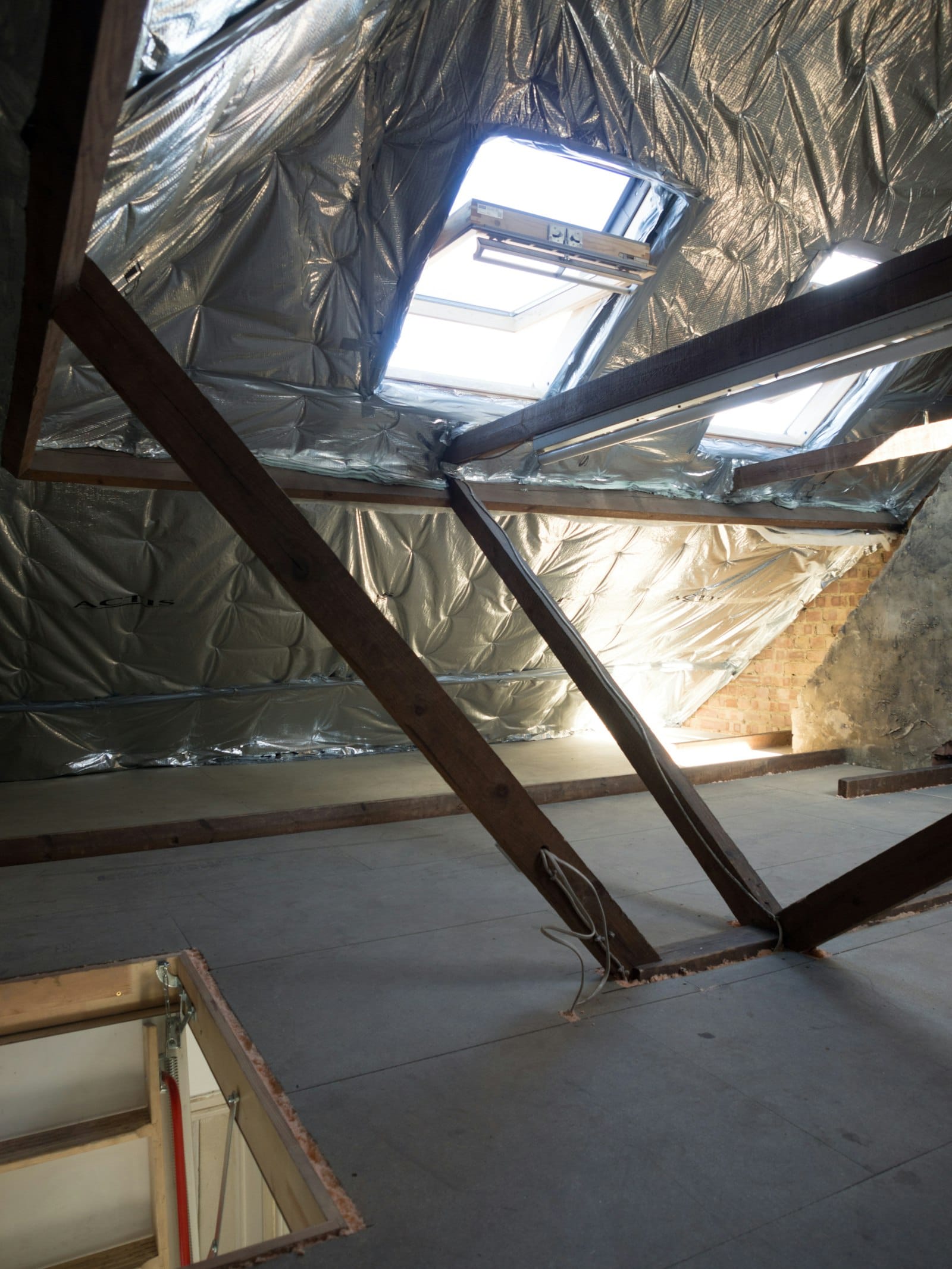
- Attics, garage ceilings and garage doors
- Part of a system with bulk insulation
Step by step
From aluminium to a finished roll
1. Base materials
Aluminium foil or metallised film, plus a polyethylene, woven or bubble backing.
2. Coat or metallise
For metallised film, aluminium is deposited on polyester or polyethylene film in a vacuum chamber.
3. Laminate
Reflective faces and backings are bonded with adhesive or heat under controlled pressure.
4. Form the core
For bubble products, air cells are formed between layers to add thermal resistance.
5. Slit and inspect
Rolls are cut to width and checked for bond strength, pinholes, coverage and flatness.
6. Label and ship
Each roll is labelled with its batch so product and datasheet can be matched.
What to look for
Four things that separate a good product from a shiny one
Low emissivity
Aluminum foil faces typically measure about 0.03 to 0.05, and lower is better. A dull or dusty face gives off more heat.
Laminated construction
Foil bonded to a tough backing resists tearing during install and over years of attic temperature swings.
Air-bubble layers
Double-bubble products trap still air between reflective faces, which adds a thin layer of insulation as well.
Tested to a standard
Radiant barrier sheets are specified under ASTM C1313, and building products are fire-tested to ASTM E84. Ask for the report.
Three routes
Which heat is the problem
Radiation
Heat leaving the underside of a hot roof and crossing the air space. A radiant barrier with an air gap in front of it is built for this.
Conduction
Heat passing through solid material, such as a garage ceiling or a thin door. This is what insulation and added layers slow down.
Air movement
Hot air leaking in or trapped under the roof. Sealing and ventilation handle this, and no foil changes it.
What that means for us
How we approach a job
We look before we quote
Roof type, attic height, existing insulation, ventilation and the garage door all change what makes sense.
We explain the limit of each product
A radiant barrier needs an air space and does little against conduction. Insulation does the opposite. We say which job each one does.
We do not promise a saving
Results depend on the building, so we do not put a number on your bill. We show you the maker data for the product we propose.
One team installs
The people who look at your building also fit the product and clean up.
What we avoid
Four things we will not do
Sell a barrier into a sealed, no-air-gap space
Without an air space in front of the foil, its main benefit is lost.
Skip the ventilation check
Trapped hot air can cancel the gain from anything we add.
Quote from a photo alone
A roof and attic are easier to judge in person.
Hide the limits
If a product is the wrong choice for your building, we say so.
Our products
Four ways we deal with heat
Radiant barrier, double-bubble reflective insulation, garage door insulation and garage attic insulation. See how they compare or browse the products.
Want to talk through your building?
Call us or request a quote. Tell us what you are trying to fix.
Get a free quote See the productsRadiant barrier and reflective insulation, installed by Kexova.
Serving Texas homeowners and builders.
Performance depends on the product, the building and the installation. Specification sheets are provided at quote.
© 2026 RadiantNox. A brand of Kexova LLC, a Texas limited liability company. · Privacy · Terms